
6 Reasons Why Puppy Classes are a Must When Adopting a New Pet
Adopting a puppy is a thrilling milestone that requires patience, daily dedication, and proper behavioral knowledge. To nurture a well-behaved, social, and happy dog, enrolling your new companion in structured puppy classes is a foundational step. These specialized courses offer a safe environment for learning essential skills that serve your canine companion throughout their life. Both first-time owners and seasoned handlers gain valuable insights into canine psychology and effective positive reinforcement techniques.
Welcoming a young pet into your home brings immense joy, but it introduces immediate responsibilities regarding behavioral development. Early training prevents future challenges, turning a rambunctious canine into a calm, predictable family member who can accompany you anywhere. By participating in organized educational sessions, you invest in a proactive approach that establishes clear boundaries from the very beginning. This comprehensive guide explores six vital reasons why structured group training sessions are an absolute necessity for your growing companion.
1. Socialize Your Developing Puppy
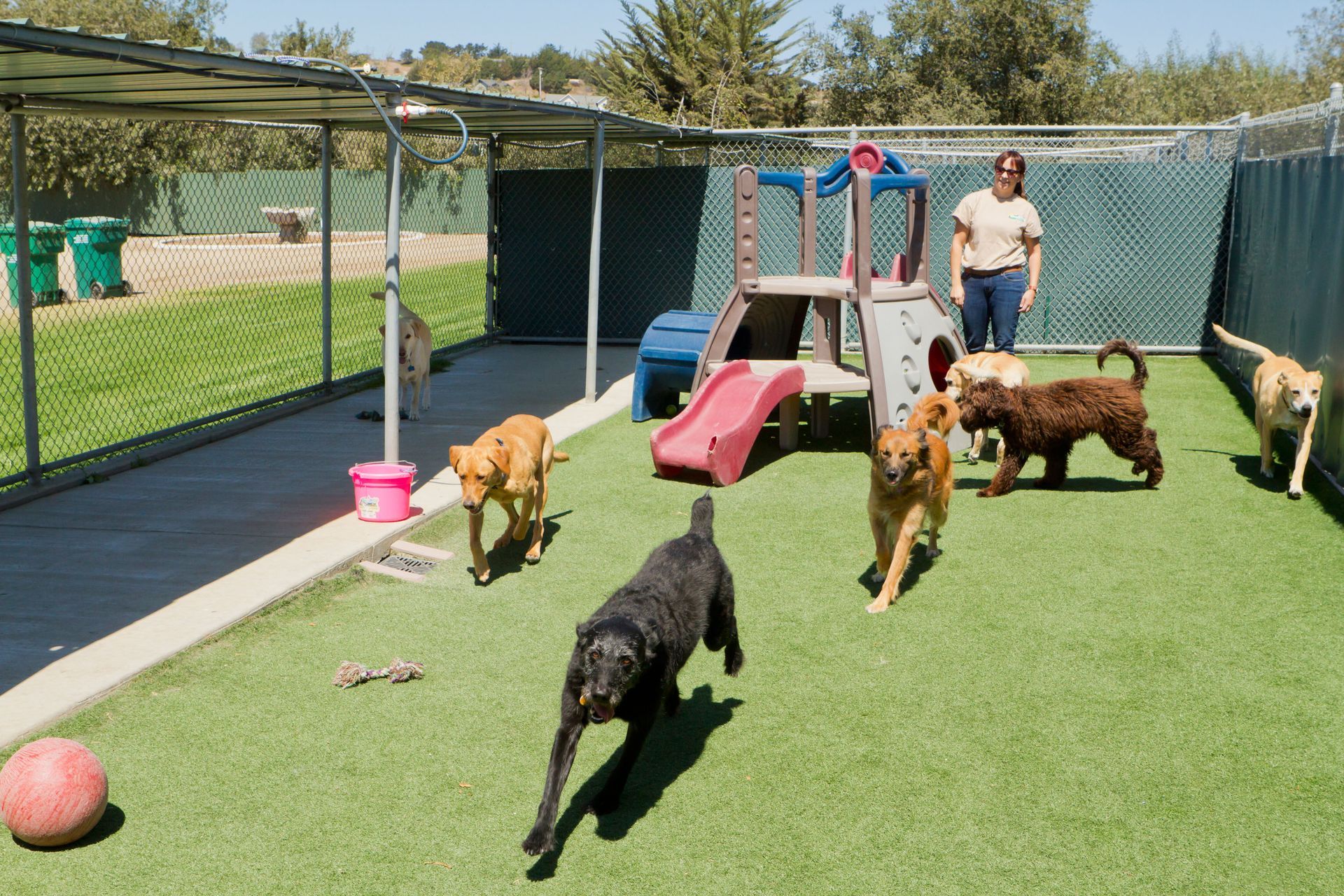
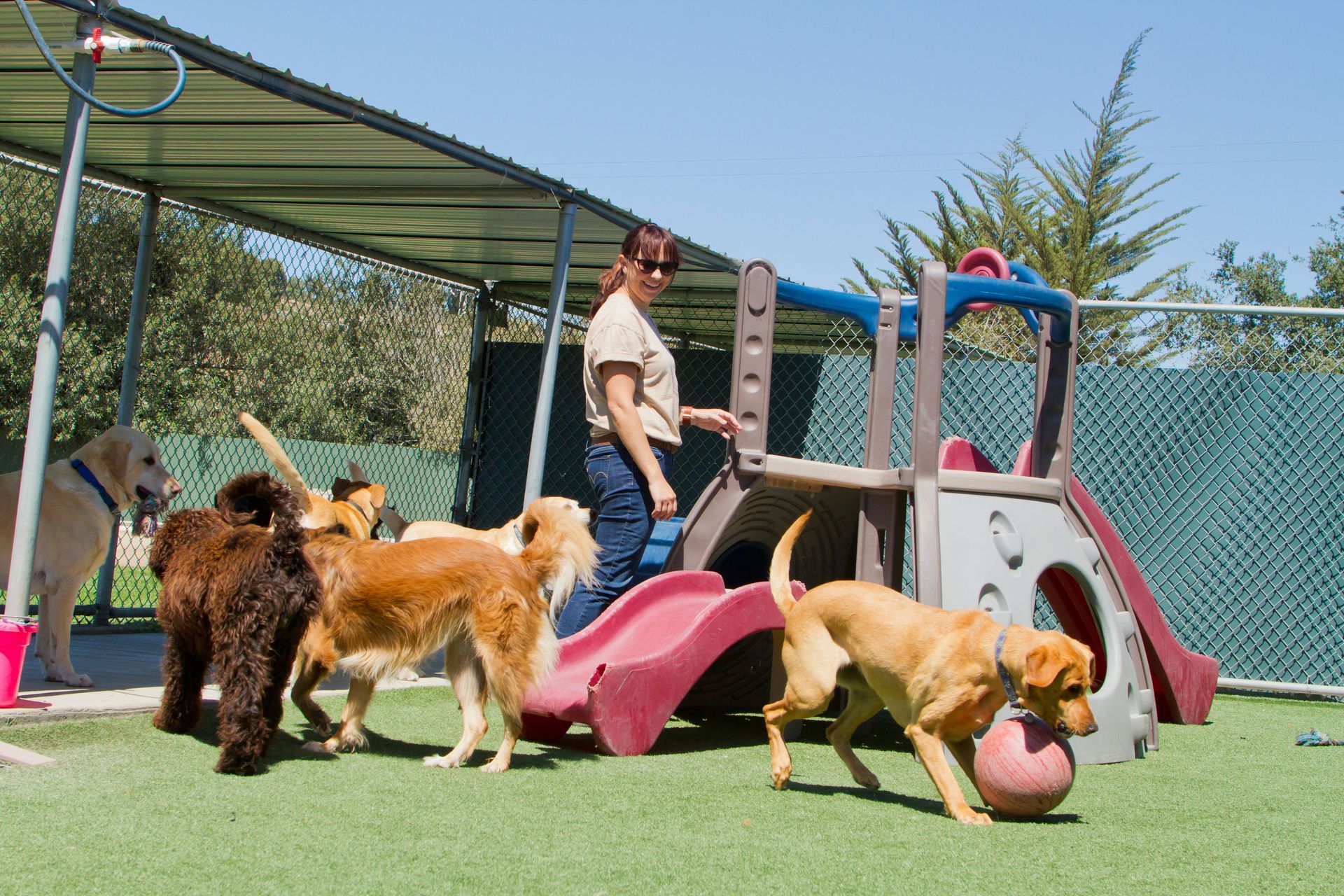
Socialization stands as a core pillar of early canine development, influencing how your pet interacts with people, other animals, and unfamiliar environments. Enrolling your pet in formal puppy classes exposes them to a controlled variety of sights, sounds, and physical experiences during their critical developmental window. This careful exposure helps them mature into well-adjusted, confident adults who handle novel situations without fear. Learning in a monitored setting allows young dogs to explore social boundaries safely, minimizing the likelihood of fear-based reactivity later.
Encountering diverse canine personalities, various human behaviors, and different body shapes teaches puppies how to interpret social cues accurately. They learn to modulate play style, recognize when another dog desires space, and remain calm around strangers of all sizes. This multifaceted interaction prevents the onset of severe behavioral issues and anxiety that frequently stem from isolation during early life stages. Providing your canine with these positive initial experiences builds a friendly disposition, ensuring a peaceful lifestyle within your household.
2. Teach Essential Obedience Commands
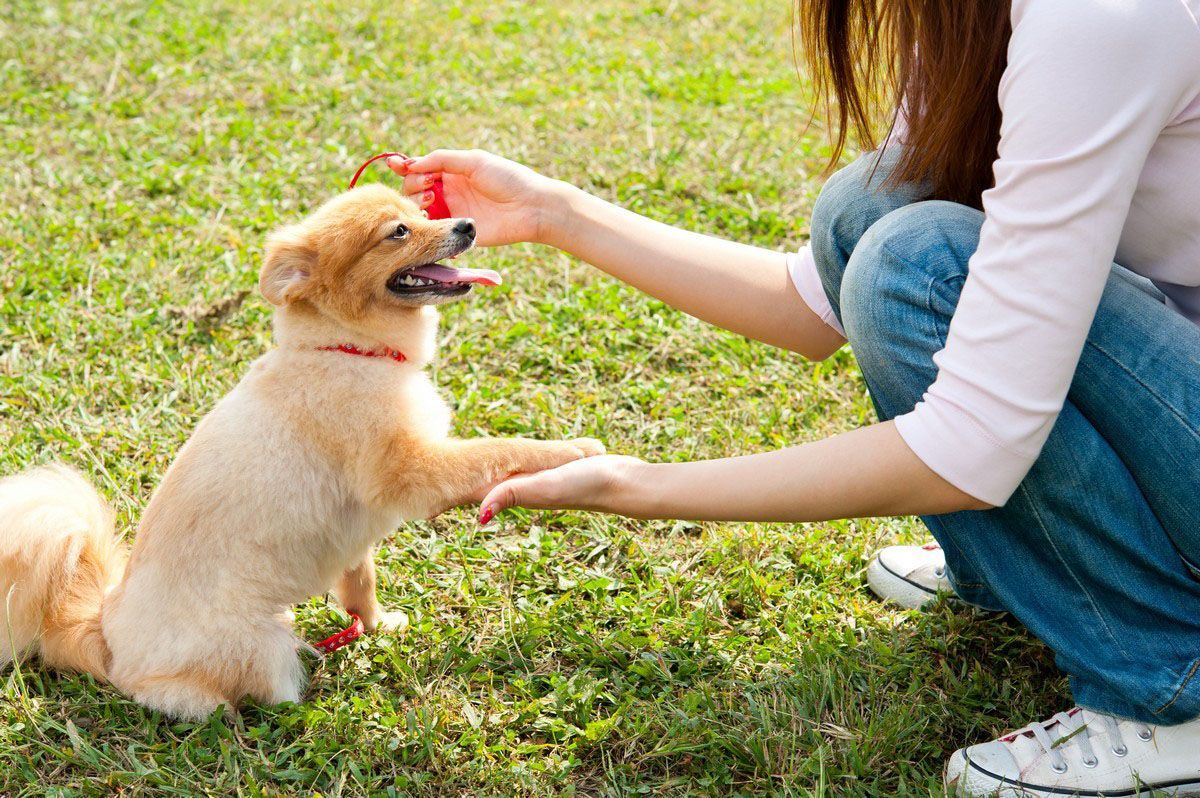
Mastering basic responsiveness is essential for managing your dog's daily behavior and ensuring their long-term safety in public spaces. Structured courses focus heavily on foundational guidance, helping owners establish control while teaching their pets how to focus amidst distractions. According to Rover.com, the three most common canine commands used by handlers are stay, come, and leave it. Practicing these foundational cues in a group setting ensures that your pet learns to listen reliably.
Utilizing positive reinforcement techniques during these sessions creates an eager learner who associates cooperative behavior with valuable rewards like treats and praise. Professional instructors help you steer clear of common training mistakes while showing you how to redirect unwanted habits like nipping or jumping. Attending scheduled puppy classes provides the exact routine and structure that young animals require to feel secure. This systematic guidance builds an excellent behavioral foundation, making your dog a safer companion and preparing them for advanced activities down the road.
3. Cultivate Lifelong Behavioral Bonds
Developing a deep relationship with your new pet requires clear communication and a mutual understanding that develops naturally through shared activities. Attending puppy classes offers a fantastic opportunity for you and your companion to work closely as a cooperative team. As you guide your canine through various exercises, your pet learns to rely on you for direction, comfort, and security. This focused quality time strengthens the emotional connection between owner and animal, building a solid foundation of trust that influences every daily interaction.
Effective training teaches you how to read subtle canine body language, allowing you to recognize when your pet is tired, overstimulated, or anxious. Simultaneously, your young dog learns to interpret your vocal tones and physical gestures, reducing confusion during everyday routines. Celebrating small victories together, such as mastering a tricky exercise or successfully ignoring a distraction, creates a shared sense of accomplishment.
4. Boost Overall Canine Health
Regular physical and mental engagement is vital for supporting the rapid growth and cognitive development of a young dog. The energetic play circles and structured movement drills featured in group training provide excellent low-impact exercise that helps burn off excess energy. This active lifestyle keeps your growing pet physically fit, supports cardiovascular health, and aids in maintaining an ideal weight during their formative months. Regular activity also encourages healthy sleep patterns, making your pet much more relaxed and content when relaxing at home.
Beyond physical fitness, the mental puzzles and problem-solving exercises introduced in professional puppy classes provide critical cognitive stimulation. Challenging a young canine's brain prevents boredom, which is a primary catalyst behind destructive behaviors like chewing furniture or digging. Moreover, having the ongoing support of an experienced instructor allows you to observe your pet's physical development closely and spot potential health anomalies early. Establishing these healthy lifestyle habits right from the start ensures a high quality of life and long-term physical well-being.
5. Manage Diverse Real-World Environments
Transitioning from a quiet home to the bustling outside world can be overwhelming for an untrained animal without regular exposure. Enrolling in structured puppy classes teaches young companions how to navigate public settings, crowded parks, and busy sidewalks with poise and confidence. These sessions simulate realistic scenarios, training your dog to remain calm when encountering sudden noises, passing vehicles, or unfamiliar objects. Developing this adaptability ensures that future outings, veterinary visits, and neighborhood strolls remain stress-free, pleasant experiences for both you and your animal companion.
Travel preparation and public etiquette are also emphasized throughout these structured programs, teaching your pet how to behave appropriately inside vehicles or crates. Learning critical responsiveness cues ensures that you can handle sudden real-world emergencies effectively, keeping your pet safe from potential hazards like moving traffic. Your companion learns to respect community spaces, greeting other people and animals politely without display of aggression or over-excitement.
6. Acquire Professional Trainer Support
Navigating the unique difficulties of raising a young dog can occasionally feel overwhelming, especially when unexpected behavioral hurdles emerge. Gaining direct access to experienced professionals provides you with personalized strategies tailored specifically to your individual pet's unique temperament and learning speed. Expert trainers diagnose complex issues quickly, helping you implement effective solutions before minor bad habits transform into deep-rooted adult behaviors. This professional guidance removes the guesswork from training, empowering you with proven methodologies that maximize your efficiency and confidence as a handler.
Joining these organized puppy classes also connects you with a supportive community of fellow pet owners who share identical challenges and triumphs. This networking opportunity creates an excellent environment for exchanging practical advice, sharing encouraging stories, and organizing future playdates. Instructors offer consistent feedback and clear progress tracking, allowing you to celebrate your pet's growth while identifying specific areas that need extra attention.
Investing your time in early group training is a vital decision that positively shapes your dog's long-term behavior, health, and social adaptability. The structured environment, core commands, and expert guidance received during these sessions provide an indispensable foundation for a harmonious life together. By addressing developmental needs proactively, you prevent future behavioral issues and cultivate a well-mannered companion who brings continuous joy to your household. Participating in puppy classes ensures that your dog grows into a self-assured, reliable adult.
Every moment spent building trust and mastering communication now pays massive dividends throughout your canine's life. This rewarding journey turns the initial challenges of raising a young animal into a deeply fulfilling partnership built on mutual respect. Contact us at A Crate Escape to begin this exciting educational journey and set your new companion up for a lifetime of success.






Share On: